How to Choose the Best CBD Oil: Your Complete Guide
The CBD market has exploded in recent years, with countless brands and products competing for your attention. While this abundance of choice can be exciting, it can also be overwhelming—especially if you’re new to CBD or unsure what to look for. Not all CBD oils are created equal, and choosing the wrong product can mean wasting money on ineffective or even potentially unsafe options. This comprehensive guide will walk you through everything you need to know to select the best CBD oil for sale for your needs, ensuring you get a high-quality product that delivers real value.
Understanding CBD Oil Basics
Before diving into selection criteria, it’s important to understand what CBD oil actually is. CBD (cannabidiol) is a naturally occurring compound found in hemp and cannabis plants. CBD oil is made by extracting CBD from the plant and diluting it with a carrier oil like hemp seed oil, MCT oil, or olive oil. Unlike THC (tetrahydrocannabinol), CBD is non-intoxicating, meaning it won’t get you high.
CBD oils come in three main types, and understanding these distinctions is crucial for making an informed choice:
Full-Spectrum CBD Oil contains all the naturally occurring compounds found in the hemp plant, including other cannabinoids, terpenes, flavonoids, and trace amounts of THC (less than 0.3% in legal products). Many users prefer full-spectrum because of the “entourage effect”—the theory that these compounds work better together than in isolation.
Broad-Spectrum CBD Oil is similar to full-spectrum but has the THC completely removed. This option appeals to people who want the potential benefits of multiple hemp compounds without any THC, whether due to drug testing concerns, personal preference, or sensitivity to THC.
CBD Isolate is pure CBD with all other plant compounds removed. It’s the most refined form, containing 99% pure CBD. While it lacks the entourage effect, it’s ideal for those who want CBD alone or need to avoid all other cannabinoids completely.
Check for Third-Party Lab Testing
This is perhaps the single most important factor when choosing CBD oil. Third-party lab testing means an independent laboratory has analyzed the product to verify its contents, potency, and purity. Reputable CBD companies provide Certificates of Analysis (COAs) that show:
- CBD content accuracy: Confirming the product contains the amount of CBD stated on the label
- THC levels: Verifying THC content is within legal limits (0.3% or less)
- Contaminant screening: Testing for pesticides, heavy metals, residual solvents, and microbial contaminants
- Cannabinoid profile: Showing all cannabinoids present in the product
These COAs should be easily accessible on the company’s website, either on product pages or in a dedicated testing section. Be wary of companies that don’t provide this information or make it difficult to find. Some brands even include QR codes on their product labels that link directly to test results for that specific batch. This level of transparency is a strong indicator of a trustworthy brand that stands behind its products.
Source of Hemp Matters
The quality of CBD oil begins with the quality of the hemp from which it’s extracted. Hemp is a bioaccumulator, meaning it absorbs substances from the soil it grows in—both good and bad. This makes the source and growing conditions critically important.
Look for CBD oils made from hemp grown in the United States, where cultivation standards are generally higher and more regulated. U.S.-grown hemp must comply with the 2018 Farm Bill requirements, which include testing and quality standards. Some of the best hemp comes from states with established hemp programs like Colorado, Kentucky, Oregon, and North Carolina.
Organic certification is a significant plus. Organic hemp is grown without synthetic pesticides, herbicides, or fertilizers, reducing the risk of harmful chemical residues in your CBD oil. While organic certification can be expensive for smaller companies to obtain, many still follow organic practices even if not officially certified—look for brands that explicitly state their growing methods.
Be cautious of CBD oils that don’t disclose where their hemp is sourced. International hemp, particularly from countries with lax agricultural regulations, may contain contaminants or be of lower overall quality.
Extraction Method
How CBD is extracted from the hemp plant significantly impacts the final product’s quality, purity, and safety. The extraction method should be clearly stated on the company’s website or product information.
CO2 Extraction is considered the gold standard. This method uses pressurized carbon dioxide to extract CBD and other beneficial compounds from hemp. It’s clean, efficient, and doesn’t leave harmful residual solvents in the final product. While CO2 extraction equipment is expensive, it produces the highest-quality CBD oil.
Ethanol Extraction uses food-grade ethanol to extract cannabinoids. When done properly, this method can produce high-quality CBD oil and is generally safe. However, it’s crucial that all ethanol is completely removed during processing.
Hydrocarbon Extraction uses solvents like butane or propane. While effective, this method carries risks of residual solvent contamination if not done properly. It’s the least desirable extraction method for CBD oils.
Avoid CBD oils from companies that don’t disclose their extraction method or use questionable processes. The extraction method directly impacts both safety and effectiveness.
CBD Concentration and Potency
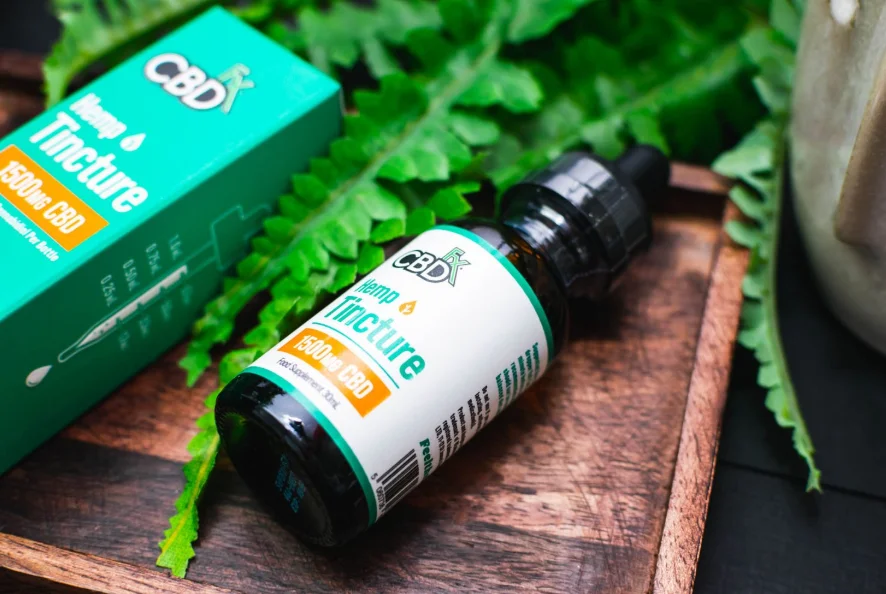
CBD oils come in various strengths, typically ranging from 300mg to 5,000mg or more per bottle. Understanding potency helps you choose a product that meets your needs and offers good value.
Potency is usually listed two ways:
- Total CBD content: The amount of CBD in the entire bottle (e.g., 1,000mg)
- CBD per serving: The amount in each dropper or dose (e.g., 33mg per 1ml dropper)
For beginners, lower potencies (300-600mg per bottle) allow you to start with smaller doses and gradually increase. More experienced users or those seeking stronger support might prefer higher potencies (1,500mg+), which also typically offer better value per milligram.
To calculate value, divide the total CBD content by the price. For example, a $60 bottle containing 1,500mg of CBD costs $0.04 per milligram, while a $40 bottle with 500mg costs $0.08 per milligram—the first option offers better value despite the higher upfront cost.
However, don’t sacrifice quality for price. The cheapest CBD oil isn’t a bargain if it’s ineffective or contaminated.
Brand Reputation and Transparency
The company behind the CBD oil matters as much as the product itself. Research the brand before purchasing:
Company history: Established companies with track records tend to be more reliable than brand-new operations with no history.
Transparency: The best companies are open about their processes, sourcing, testing, and manufacturing. Look for detailed information on their website.
Customer reviews: Read reviews from multiple sources, not just the company’s website. Look for patterns in feedback—both positive and negative.
Customer service: Responsive, knowledgeable customer service indicates a company that cares about its customers and stands behind its products.
Education: Quality brands provide educational resources about CBD, how to use their products, and what to expect. This demonstrates expertise and commitment to customer success.
Claims: Be skeptical of companies making outrageous health claims or promising to cure diseases. Responsible CBD companies focus on wellness support rather than medical claims.
Price Considerations
CBD oil pricing varies widely, but the old adage “you get what you pay for” generally applies. Extremely cheap CBD oils often cut corners on quality, testing, or potency. However, expensive doesn’t automatically mean better.
Expect to pay:
- Low potency (300-600mg): $30-$60
- Medium potency (750-1,500mg): $60-$100
- High potency (2,000mg+): $100-$200+
These ranges assume quality products with proper testing and transparency. Prices significantly below these ranges should raise red flags, while prices significantly above may reflect premium branding rather than superior quality.
Consider cost per milligram of CBD (total price divided by total CBD content) to compare value across different products and potencies. Many companies offer subscription services or bulk discounts that can provide better value for regular users.
Delivery Format and Convenience
CBD oil typically comes in tincture bottles with droppers, but some variations exist. Consider what format works best for your lifestyle:
Dropper bottles are traditional and allow precise dosing but require measuring.
Spray bottles offer convenience and discretion but may be less precise.
Bottle size matters for value and convenience. Larger bottles (30ml-60ml) typically offer better value, while smaller bottles (15ml) are good for trying new products.
Consider packaging quality too. Dark glass bottles protect CBD oil from light degradation, extending shelf life. Professional, secure packaging also indicates quality and care.
Your Personal Needs and Goals
Finally, the “best” CBD oil is ultimately the one that best meets your individual needs:
Dosing requirements: If you need higher doses, choose higher potencies for better value.
THC sensitivity: If you need to avoid all THC (for drug testing or personal reasons), choose broad-spectrum or isolate products.
Flavor preferences: Some people love natural hemp flavor, while others prefer flavored options.
Budget: Determine what you can sustainably afford for regular use.
Specific goals: Some products are formulated for specific times of day or particular wellness goals.
Conclusion
Choosing the best CBD oil requires research and careful consideration of multiple factors. Prioritize third-party testing, quality hemp sourcing, safe extraction methods, and transparent companies with good reputations. Don’t be swayed by marketing hype or rock-bottom prices—quality and safety should always come first.
Start with a reputable brand offering lab-tested products, begin with a lower potency to assess your response, and be patient as you find your optimal dose and product. By following these guidelines, you’ll be well-equipped to choose a CBD oil that’s safe, effective, and provides genuine value for your wellness journey.