
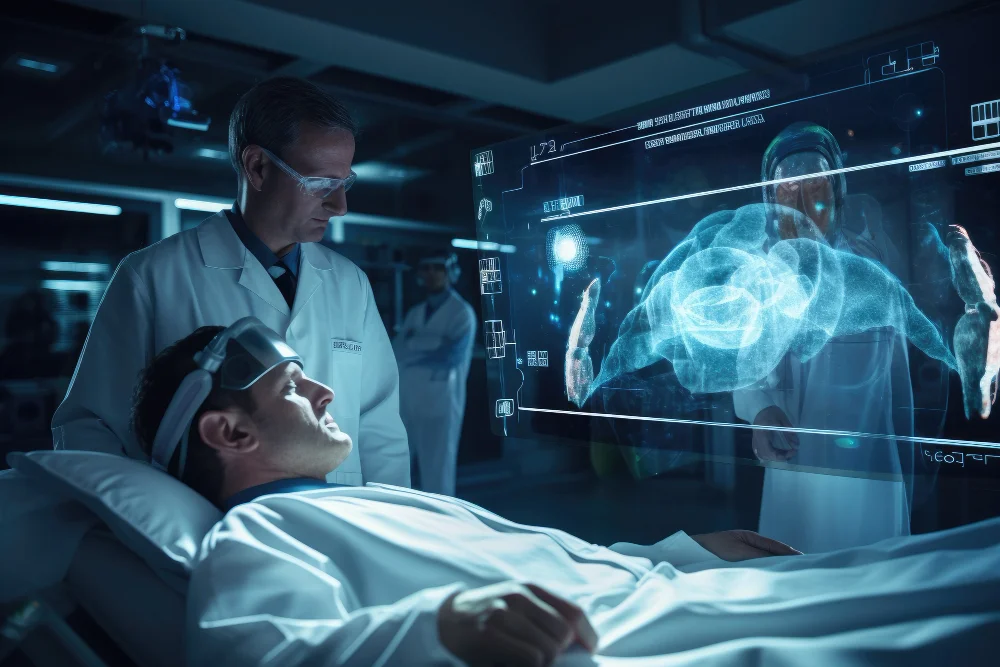
The Future of Diag Image: AI-Powered Diagnostics Guide
The healthcare industry is rapidly evolving, and at the forefront of this transformation is AI-powered diagnostic technology. Among the most innovative solutions is Diag Image, a cutting-edge platform that leverages artificial intelligence to improve accuracy, speed, and reliability in medical imaging. As healthcare providers face increasing demand for precise and timely diagnoses, AI-based solutions like Diag Image are set to redefine patient care. This guide explores how Diag Image is shaping the future of diagnostics and what it means for both professionals and patients.
Understanding Diag Image
Diag Image is an AI-enhanced diagnostic imaging system designed to streamline the process of detecting and analyzing medical conditions. By integrating advanced imaging techniques with intelligent algorithms, it provides medical professionals with highly detailed insights that were previously difficult or time-consuming to obtain.
See also Primerem for Mind and Body: The Modern Solution for Daily Wellness
Key Features of Diag Image
- High-Resolution Imaging: Delivers clear, detailed scans to help identify subtle anomalies.
- AI-Driven Analysis: Artificial intelligence assists in detecting patterns and irregularities that may go unnoticed by human observation.
- Rapid Processing: Speeds up interpretation of imaging results, reducing patient wait times.
- User-Friendly Interface: Designed for seamless integration into clinical workflows, making it accessible for both specialists and general practitioners.
Together, these features make Diag Image a powerful tool for accurate, efficient, and reliable diagnostics.
How AI is Transforming Diagnostics
Artificial intelligence is revolutionizing medical imaging by providing automated, data-driven insights that complement human expertise.
Enhanced Accuracy
One of the primary advantages of AI in diagnostics is its ability to detect minute anomalies in imaging scans. Machine learning algorithms analyze large datasets to identify patterns associated with specific conditions, helping to reduce errors and misdiagnoses. This capability is particularly valuable in detecting early-stage diseases, where subtle changes may be difficult to identify manually.
Faster Decision-Making
AI accelerates the diagnostic process by quickly interpreting imaging results. Radiologists and other healthcare providers can make informed decisions faster, allowing patients to receive timely treatment. Faster diagnosis is crucial in cases such as cancer, cardiovascular disease, and neurological disorders, where early intervention significantly improves outcomes.
Predictive Analytics
Beyond detecting current conditions, AI can also predict potential health risks based on imaging trends and patient data. This predictive capability enables proactive interventions, improving patient care and reducing the likelihood of severe complications.
Technologies Behind Diag Image
Diag Image combines multiple technologies to deliver its advanced capabilities.
Multi-Modality Imaging
The platform supports a variety of imaging techniques, including:
- MRI (Magnetic Resonance Imaging): Detailed soft tissue visualization.
- CT (Computed Tomography): Rapid cross-sectional imaging for complex structures.
- Ultrasound: Real-time, non-invasive imaging.
- X-Ray: Quick and cost-effective diagnostic scans.
By supporting multiple modalities, Diag Image provides a comprehensive view of patient health, suitable for a wide range of medical specialties.
AI and Machine Learning
The core of Diag Image is its AI-driven analysis engine. Machine learning algorithms process large volumes of imaging data to detect abnormalities, measure progression, and even suggest potential diagnoses. Over time, the AI improves its accuracy through continuous learning, adapting to new patterns and data from diverse patient populations.
Cloud-Based Integration
Cloud technology allows Diag Image to store, access, and share imaging data securely. This facilitates collaboration among healthcare professionals, enables remote diagnostics, and supports telemedicine initiatives. Patients’ imaging records are accessible when needed, promoting coordinated and efficient care.
Real-World Applications of Diag Image
Diag Image is making an impact across multiple areas of healthcare.
Oncology
Early detection of cancer is critical for successful treatment. Diag Image helps oncologists:
- Identify tumors at their earliest stages
- Assess tumor size, shape, and growth
- Monitor responses to therapy
- Detect subtle changes that may indicate recurrence
Cardiology
In cardiology, accurate imaging is vital for diagnosing heart and vascular conditions. Diag Image provides:
- Clear visualization of blood vessels and heart structures
- Detection of blockages, structural defects, and plaque buildup
- Data-driven insights for treatment planning
Neurology
Neurological disorders require detailed imaging for accurate diagnosis and monitoring. Diag Image aids in:
- Detecting lesions or structural abnormalities in the brain
- Tracking disease progression in conditions such as Alzheimer’s or Parkinson’s
- Supporting treatment planning and monitoring efficacy
Orthopedics
For orthopedic applications, Diag Image assists surgeons and therapists by providing:
- Precise bone and joint imaging
- Preoperative planning for complex procedures
- Postoperative monitoring for recovery and rehabilitation
Benefits for Patients
Patients are the ultimate beneficiaries of AI-powered diagnostic platforms like Diag Image.
- Faster Diagnosis: Reduced wait times for test results allow for quicker treatment decisions.
- Accurate Results: Early detection and precise analysis improve the effectiveness of interventions.
- Personalized Care: Detailed imaging reports enable healthcare providers to tailor treatments to each patient’s needs.
- Improved Communication: Visual insights and AI-generated reports help patients understand their condition, fostering better engagement in their treatment plans.
Challenges and Considerations
While AI in diagnostics offers tremendous advantages, there are considerations to address.
- Data Privacy: Protecting patient information in cloud-integrated systems is crucial.
- Training and Adoption: Healthcare professionals need adequate training to use AI tools effectively.
- Integration with Legacy Systems: Ensuring compatibility with existing hospital infrastructure can require careful planning.
- Regulatory Compliance: AI-powered diagnostic systems must meet strict healthcare regulations and standards.
Addressing these challenges ensures that AI technologies like Diag Image are both safe and effective in real-world settings.
The Future of Diag Image
The potential for AI-powered diagnostic platforms is immense. Future developments may include:
- Real-Time Imaging Analysis: Instant feedback during imaging procedures to guide clinicians immediately.
- Expanded Predictive Capabilities: Using AI to forecast disease risk before symptoms appear.
- Enhanced Remote Diagnostics: Supporting telehealth and virtual consultations with high-quality imaging analysis.
- Integration with Wearable Devices: Combining real-time health data with imaging insights for continuous monitoring.
These advancements will make diagnostics more proactive, precise, and patient-centered, ultimately transforming the healthcare landscape.
Conclusion
The future of medical diagnostics lies in the integration of AI and advanced imaging, and Diag Image is leading the way. By combining high-resolution imaging, intelligent analysis, and cloud-based collaboration, it empowers healthcare providers to deliver faster, more accurate, and personalized care.
From oncology and cardiology to neurology and orthopedics, Diag Image enhances the ability to detect, monitor, and treat conditions with unprecedented efficiency. Patients benefit from quicker diagnoses, more effective treatments, and improved healthcare experiences.
As AI technology continues to evolve, platforms like Diag Image will become increasingly essential, helping healthcare providers work smarter, make better decisions, and deliver superior outcomes. The future of diagnostics is not just about seeing more—it’s about understanding more, acting faster, and putting patients at the center of care.